How to Stay Relevant in 2026: When Code Is Cheap, Judgment Becomes Everything

In 2026, being a great engineer doesn’t mean writing code fast.
It means knowing what should be built—and what absolutely shouldn’t.
Walk into any modern engineering team, and something’s changed.
We used to hire engineers because they could produce code.
Now? We hire and promote them based on their judgment:
What problems do they choose? What tradeoffs do they accept? What risks they’re willing to own.
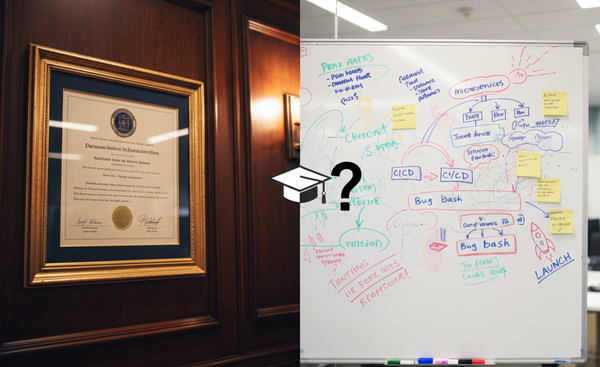
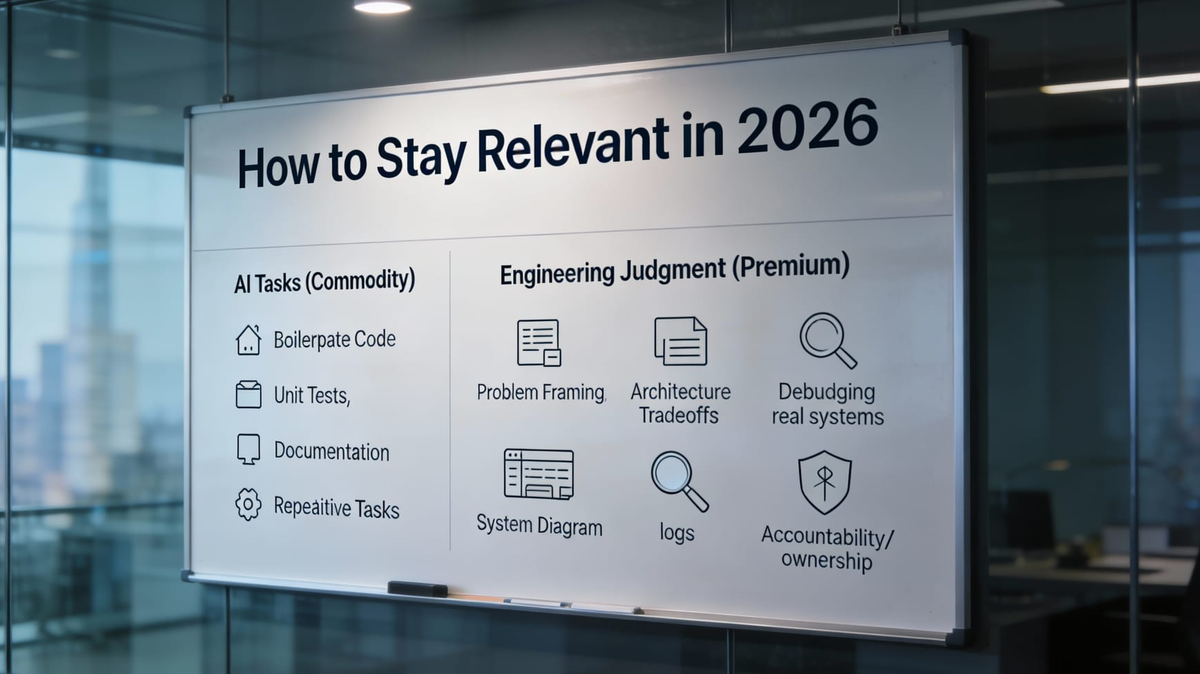
That whiteboard you shared last week nailed it:
AI Tasks (Now Cheap):
- Boilerplate
- Tests
- Documentation
Human Judgment (Still Premium):
- Framing the right problem
- Designing architecture with tradeoffs
- Debugging real systems
- Owning outcomes
In short:
AI makes average work easy to generate.
That makes judgment the most valuable skill in the room.
And value flows to the rare stuff.
Most People Use AI Like Spinoza Predicted—Badly
The philosopher Baruch Spinoza believed we don’t just think—we're guided by emotions and half-formed impressions.
Real freedom, he said, only comes when we understand the causes behind things.
Now look at how AI is often used:
- Prompt something
- Get confident-looking output
- Ship it
- Feel productive
But feeling productive ≠ being correct.
Engineering judgment is turning those first impressions into real understanding.
Because your job in 2026 isn’t just “run the prompt.”
It’s answer this question:
When AI gives me an answer... is it true? Is it safe? Is it complete? Is it worth it?
That’s not a code problem.
That’s a reality problem.
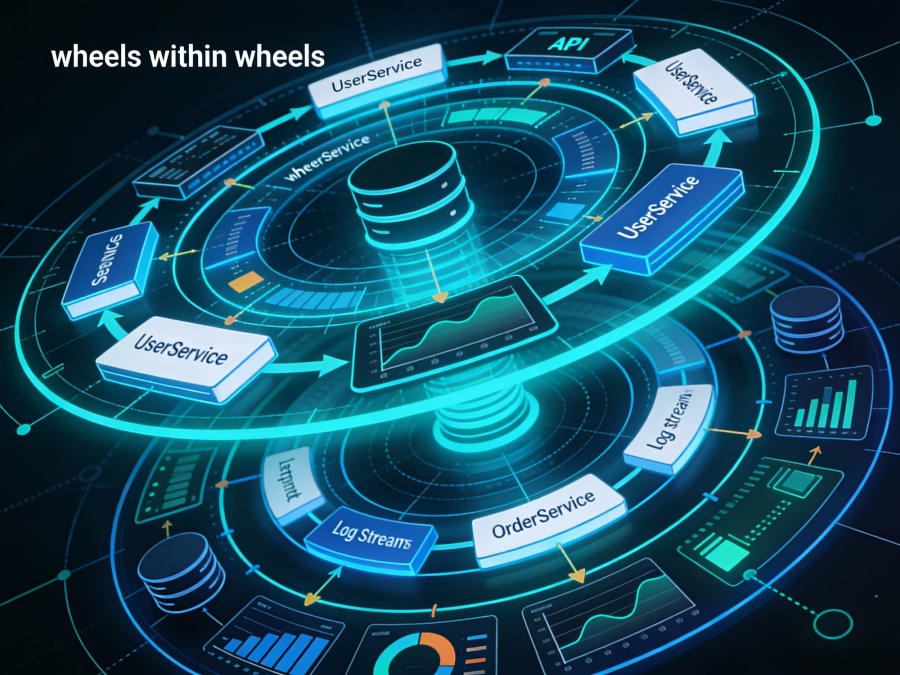
“Wheels Within Wheels”: Why Modern Systems Demand More Than Code
The prophet Ezekiel described a vision of “wheels within wheels.”
Engineers know this feeling.
A modern system isn’t a stack—it’s an interlocking machine:
![visual: layered diagram of a modern system: UI → BFF → services → DB → queues → CI/CD → monitoring → cost constraints]
AI can generate a wheel.
Only you can ask:
- “If this API returns null, what does the UI do?”
- “If this migration hits a lock, does the whole pipeline break?”
- “If we retry this, do we accidentally DDoS ourselves?”
AI sees the parts.
You see how they fail together.
That’s called system sight, and it’s valuable.
What Engineering Judgment Actually Looks Like
- Problem Framing (the skill AI can’t fake)
AI can answer a prompt.
Only you can decide what question to ask.
Framing means deciding:
- Are we optimizing for latency, safety, or reversibility?
- What constraints are real vs imagined?
- What’s the actual user pain—not just internal noise?
Get the frame wrong, and AI just helps you fail faster.
- Architecture & Tradeoffs (the courage to say “no”)
Architecture isn't clean diagrams. It's choosing which pain you’ll accept.
Every decision has tradeoffs:
| Tradeoff | Option A | Option B |
|---|---|---|
| Simplicity | Faster delivery | Less flexibility |
| Speed | Performance now | Safety later |
| Optimization | Local wins | Global resilience |
AI can list them.
Only humans can own them.
- Debugging Reality (where confidence dies)
AI is great at suggesting potential causes.
But real bugs are rarely simple.
They’re:
- State timing issues
- Distributed edge cases
- Partial rollouts
- “It works on my machine,” ghosts
- Caches, permissions, retries, timezones...
The engineer who can reduce chaos into a clear story becomes the person everyone trusts.
- Accountability (the ultimate premium skill)
You don’t get promoted for a perfect PR.
You get promoted for owning the outcomes.
Not just:
✅ "It shipped"
But also:
🛠 "We monitored it"
🧯 "We fixed it when it broke"
📈 "We improved the system because of it"
That’s real leadership—even if you’re not a manager.
The 2026 Career Playbook: Become a Judgment Engineer
This isn’t motivational. It’s practical.
Train your verification reflex
Never trust untested AI output. Use types, tests, checks, and guards.
Make it a habit to ask:
“What would prove this wrong?”
Write down your decisions
Use lightweight decision logs (ADRs) to leave a trail:
- Context
- Options considered
- Tradeoff accepted
- How will we know it failed
This builds institutional wisdom, not just output.
Build an “edge-case reflex”
Most outages start with a tiny overlooked assumption:
- What if it’s null?
- What if the cache is stale?
- What if the retry explodes the queue?
Ask these, and you become the most trusted voice in the room.
Own a real system, end-to-end
If you want better judgment, you need exposure.
- Go on-call
- Read dashboards
- Participate in postmortems
- Watch real traffic
- Ship things that hurt (and heal them)
Judgment isn’t learned in isolation.
It’s learned through consequence.
Flip the Switch: From Passive to Active Mindset
If you're stuck in “I’m fine,” here’s the shift:
| Passive Mindset 💤 | Active Mindset 🚀 |
|---|---|
| “This is how we’ve always done it” | “What’s the cost of doing nothing?” |
| “That’s not my job” | “How can I expand my surface area?” |
| “I don’t trust AI yet” | “Let me verify it and decide when to trust” |
| “This is too much change” | “This is a chance to evolve” |
This isn’t about hype.
It’s about mental fitness.
AI rewards those who adapt with energy, curiosity, and self-awareness.
Not just those with credentials.
The Real Bottleneck: It’s Not AI—It’s Mindset
Let’s be real:
Most engineers aren’t falling behind because of AI.
They’re falling behind because they’re coasting.
Still working the same way they did in 2020.
Still avoiding new tools.
Still living in a comfort bubble of habits, not judgment.
You don’t have to reject AI to get left behind.
You just have to ignore it.
The real danger isn’t replacement.
It’s becoming forgettable—doing average work, at average speed, with no edge.
The future rewards engineers who stay curious, skeptical, and adaptable.
Not those who say:
“I’m fine. I don’t need to change.”
You’re not fine if the world around you is moving.
Comfort is a slow career killer.
Judgment is how you stay alive.
📌 Final Thought: Be the Rarest Skill on the Team
In 2026, everyone can write code.
The question is:
- Can you choose wisely?
- Can you verify carefully?
- Can you own outcomes?
- Can you explain tradeoffs?
- Can you learn from reality?
Code is everywhere.
Good judgment isn’t.
Make yourself valuable by becoming rare.
Or, in one line:
Code is abundant. Judgment is scarce. Become scarce.
#AI #2026 #EngineeringLeadership #DeveloperProductivity #AIMindset #EngineeringJudgment #ProblemFraming #SystemsThinking #SoftwareArchitecture #Debugging #Ownership #AIinEngineering #GenAI #ReliabilityEngineering #FutureOfWork #TheGenZTechManager