The End of “Just Coding”: What Changed for Developers from the 90s to the AI Age

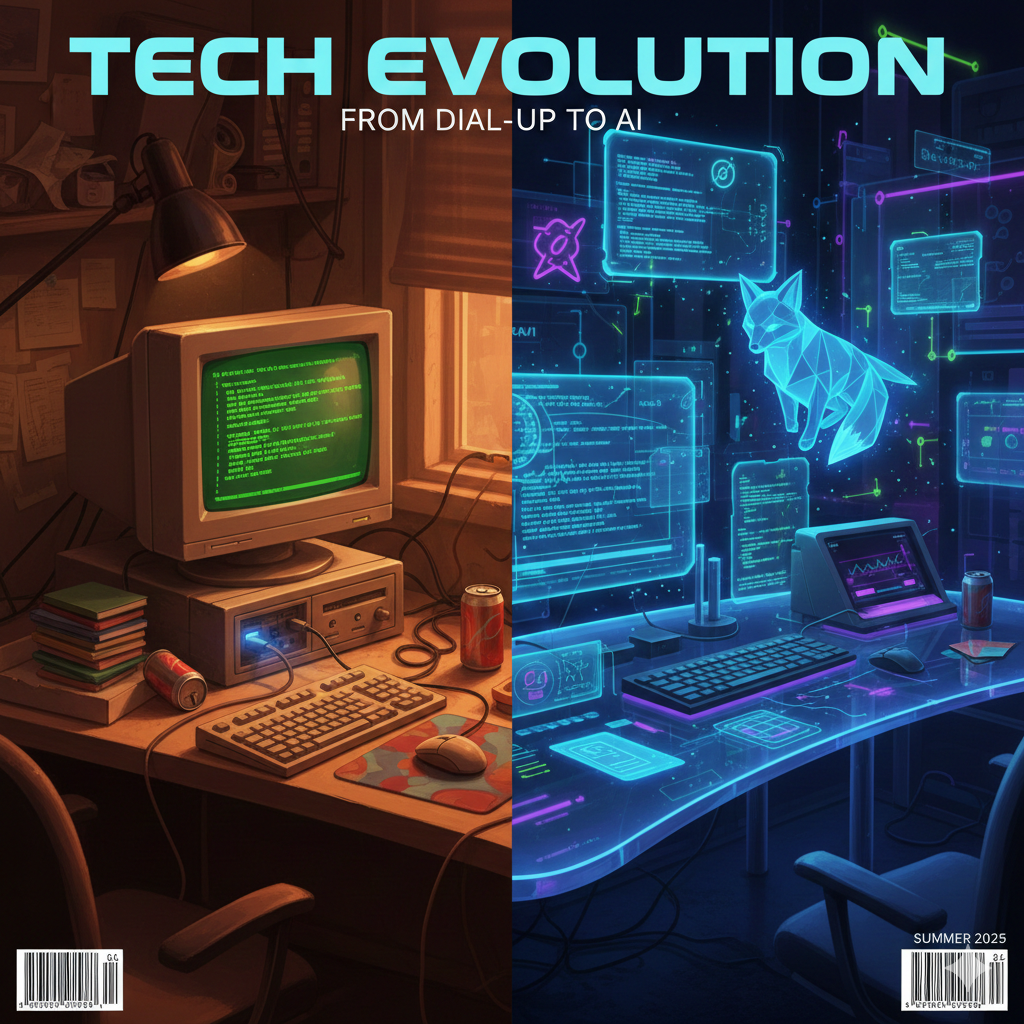
I’m not Gen-Z. I was born in the 90s—raised on “don’t touch the landline, the internet is connecting,” excited by phones that had Snake, and amazed when “Google it” became a normal verb.
So why do I write under the name TheGenZTechManager?
Because Gen-Z isn’t just an age group anymore—it’s a mindset: adaptive, tool-native, fast-learning, community-driven, and unreasonably comfortable with change. And if the last two decades have taught us anything, it’s this:
Technology doesn’t merely evolve. It reorganizes what it means to be a developer.
Today, we’re living through the biggest mindset rewrite since the internet itself—an AI-accelerated shift where coding is still important, but the definition of “good developer” is changing in real time.
This article is my attempt to connect the dots—from the 90s to now—using what credible industry research and leaders are observing, and to share a practical “way forward” for developers (and managers) who want to stay relevant and thrive.
A quick time-travel: 90s kid → Gen-Z AI era
Then: the 90s/early 2000s developer identity
The “hero developer” era had a very specific vibe:
- You were valued for what you personally knew (syntax, frameworks, tricks)
- Shipping meant building features; operations lived elsewhere
- Debugging was “figure it out, alone, at 2 AM”
- Documentation was optional (or nonexistent)
- Learning was slower, mainly from books, forums, and trial-and-error
Now: the Gen-Z AI era developer identity
Today’s identity is different:
- You’re valued for what you can learn fast, connect, and ship repeatedly
- Dev + Ops + Security + Observability is increasingly one continuous pipeline
- Collaboration is the default (PRs, reviews, async teams, shared ownership)
- Knowledge is abundant; judgment is scarce
- AI is everywhere—from code suggestions to agents to docs to tests
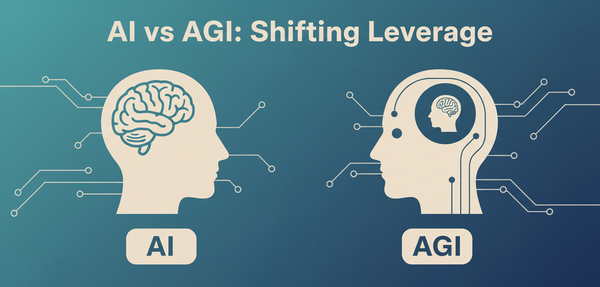
And this isn’t just a “feel” thing. Surveys and ecosystem data show AI is quickly becoming standard in development workflows.
For example, the Stack Overflow Developer Survey shows AI usage (or planned usage) rising sharply: 76% in 2024 and 84% in 2025. Stack Overflow
Meanwhile, GitHub’s Octoverse reporting highlights just how fast the AI-native behavior is emerging—especially among newer developers (e.g., rapid early adoption patterns around Copilot). The GitHub Blog
So what changed, really?
Tools changed, yes.
But more importantly, the developer mindset changed.
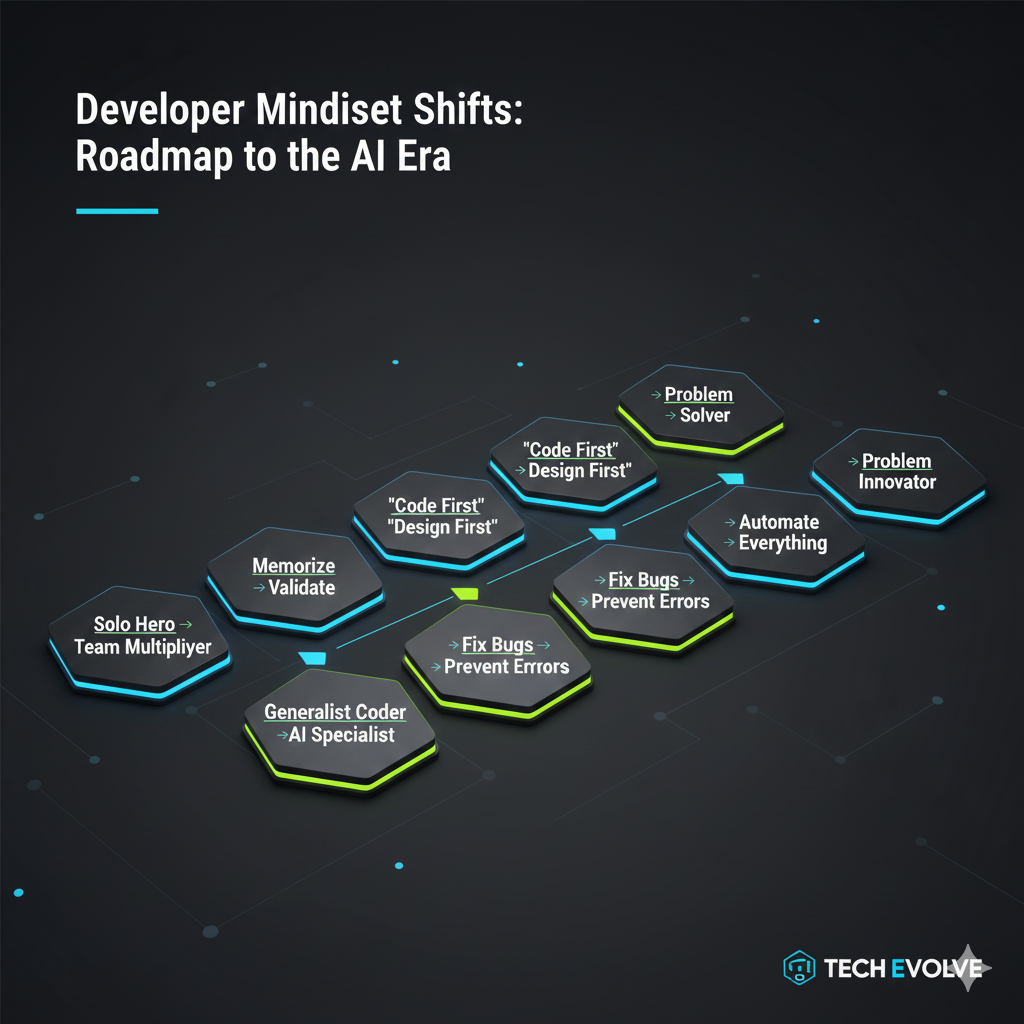
The 7 mindset shifts that quietly redefined “developer”
1) From “Knowing the answer” → to “Finding the answer”
In the 90s/2000s, knowledge was power. Today, knowledge is everywhere. The differentiator is:
- How fast you can find the right info
- How well you can validate it
- How clearly you can apply it in your context
AI pushes this shift further. You don’t need to memorize everything—but you must become elite at asking good questions and verifying outcomes.
2) From “Coding is the job” → to “Systems thinking is the job”
Modern software is not “a codebase.” It’s:
- Infrastructure, pipelines, secrets, feature flags
- Observability, performance, cost
- Security and compliance
- User experience and reliability
This is why research like the DORA State of DevOps Report (2024) emphasizes how software delivery performance connects to broader organizational and platform dynamics—and explicitly explores AI and platform engineering in today’s delivery landscape. Dora
Translation:
Being a strong developer now means thinking like an engineer and like an operator and like a product builder.
3) From “Solo hero” → to “Team multiplier”
In older cultures, the “best” engineer was often the one who could do everything alone.
In modern engineering, the best engineer is often the one who:
- Makes others faster
- Reduces confusion
- Improves the system
- Builds reusable patterns
- Documents the “why,” not just the “what”
Because teams don’t scale on individual brilliance—they scale on shared clarity.
4) From “Shipping features” → to “Shipping outcomes”
We used to celebrate output:
- number of tickets closed
- lines of code
- number of releases
Now the real win is outcome:
- latency reduced
- incidents prevented
- onboarding faster
- customer pain removed
- cost optimized
- reliability improved
The best developers today can explain not just what they built, but why it matters.
5) From “Docs are boring” → to “Docs are a competitive advantage”
Documentation used to be the neglected cousin of “real engineering.”
But the industry is finally admitting something obvious:
poor documentation destroys productivity—especially in complex systems. Recent developer research and industry commentary keeps pointing out how missing or fragmented docs waste hours every week and slow teams down. IT Pro
In an AI era, documentation becomes even more valuable because:
- AI assistants learn from your artifacts (docs, READMEs, ADRs, comments)
- Your future self depends on it
- Your team’s speed depends on it
- Your onboarding depends on it
Docs aren’t “extra work.” They’re compound interest.
6) From “Tool user” → to “Tool designer (workflow thinker)”
Gen-Z developers are famously tool-native. But the real leap is not using tools—it’s designing workflows.
Today’s strong engineers:
- automate repetitive steps
- build templates
- create golden paths
- standardize pipelines
- reduce decision fatigue
This is where platform engineering and internal developer platforms come in—making the “right thing” the easiest thing. Dora
7) From “I write code” → to “I collaborate with AI (but I own the result)”
AI is now embedded in many dev workflows. Stack Overflow’s surveys show rising adoption year over year. Stack Overflow+1
And major tech leaders openly describe this AI moment as a fundamental shift in what developers build and how they build it. For example, Microsoft’s Satya Nadella has explicitly said this new generation of AI is changing how developers build. Source
But here’s the key:
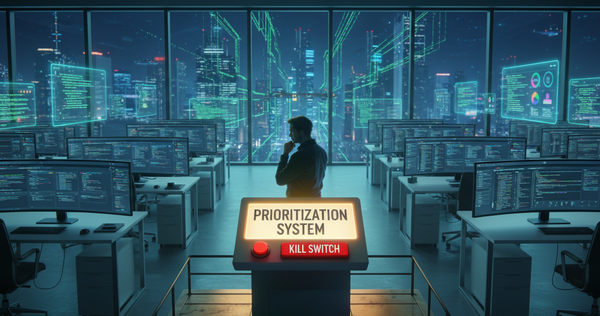
AI doesn’t remove responsibility. It concentrates it.
If AI helps you write code faster, you must:
- validate correctness
- ensure security
- prevent regressions
- protect data
- keep maintainability high
The best mindset for AI coding tools is:
Use AI for speed. Use your brain for truth.
The way forward: a practical playbook (developer + manager)
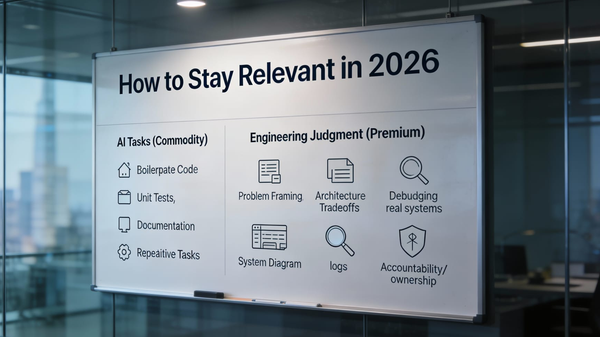
A) Learn the new core skill: “AI + Engineering Judgment”
If you want one differentiator for 2026 and beyond, it’s this:
Prompting is not the skill. Judgment is the skill.
Prompting is easy. Validation is hard.
Build habits like:
- always ask for edge cases
- request tests alongside code
- force the AI to explain tradeoffs
- compare against your system constraints
- run security + dependency checks
- measure performance impact
B) Become “T-shaped” again (but update the top bar)
Old T-shape: broad knowledge + deep specialty.
New T-shape: broad systems + deep specialty + AI literacy.
Your updated breadth should include:
- cloud basics
- CI/CD fundamentals
- observability (logs/metrics/traces)
- security hygiene
- cost awareness
- performance thinking
C) Write more—not just code
If you want to become a Gen-Z style multiplier:
- write ADRs (Architecture Decision Records)
- write “how we do X” docs
- write onboarding checklists
- write postmortems without blame
- write READMEs that tell a story
This is how you scale impact beyond your own keyboard.
D) Optimize for “time-to-understanding”
In the AI era, the bottleneck is not typing speed.
The bottleneck is:
- understanding the problem
- understanding the system
- understanding the consequences
So design your work for clarity:
- consistent naming
- small PRs
- useful PR descriptions
- visible decisions
- reliable dashboards
- shared context
E) Keep your human edge sharp
AI can generate code.
But it can’t replace:
- product intuition
- stakeholder management
- leadership under pressure
- mentoring
- architecture taste
- empathy
- decision-making with incomplete information
If you’re a developer reading this: those are your career moats.
If you’re a manager reading this: that’s your team’s real advantage.
Why I call myself “TheGenZTechManager”
Gen-Z energy isn’t about age. It’s about:
- embracing change without ego
- learning in public
- iterating fast
- using tools without shame
- valuing collaboration over heroics
- focusing on outcomes, not just output
As a 90s kid, I’ve learned that reinvention is not optional.

The best time to evolve was yesterday.
The second-best time is now.
#AI #SoftwareEngineering #DevOps #PlatformEngineering #GitHubCopilot #DeveloperProductivity #Programming #TechTrends #CareerGrowth #GenZ #TheGenZTechManager